
August 15 2018, 19:35
Exhibition (2013)
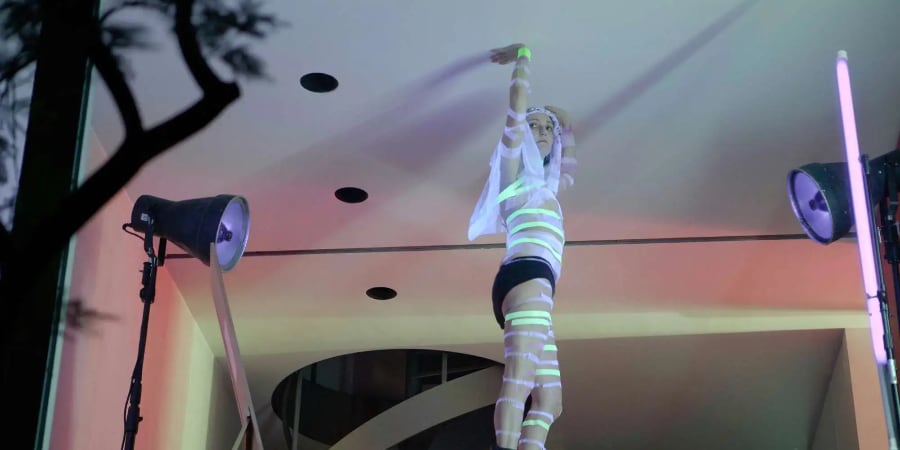
This one lingers in my mind. The married couple, D (Viv Albertine) and H (Liam Gillick) have created their own emotional ecosystem, balancing intimacy and distance, in a big modernist house somewhere in Central London. She is an artist, and he is an architect — both work at home, but in their own offices on different floors, talking to each other sporadically through an internal phone system. It’s an unusual setup that has worked for them for years, but comes under strain when they decide to move home.
Neither actor has acted before, which is remarkable to me, and makes sense given the naturalistic rendering of their relationship. They are completely believable as an averagely neurotic middle-aged couple. The house itself is the third character, representing the life they have created together. There are lots of beautifully framed shots of interiors and exteriors, the cinematographer making the most of the glass, concrete and minimalist shapes.
D hates going out and is afraid H will be hurt every time he steps outside. At the same time she lives a separate life in her office studio, performing for herself, using her reflection in the big glass windows, aware that she can also be partially seen through the carefully arranged blinds — if anyone was looking.
March 03 2018, 21:09
High Rise
I read several Ballard books in the late nineties — my mid-twenties — starting with short stories, before being entranced by the shiny silver paperback cover of Super-Cannes. I thought I’d read High Rise, but I quickly realised on starting it that I hadn’t. There was the usual Ballardian sense of society being on the edge of primal chaos, but I’d read so many blurbs on the backs of his books they were blurring together.
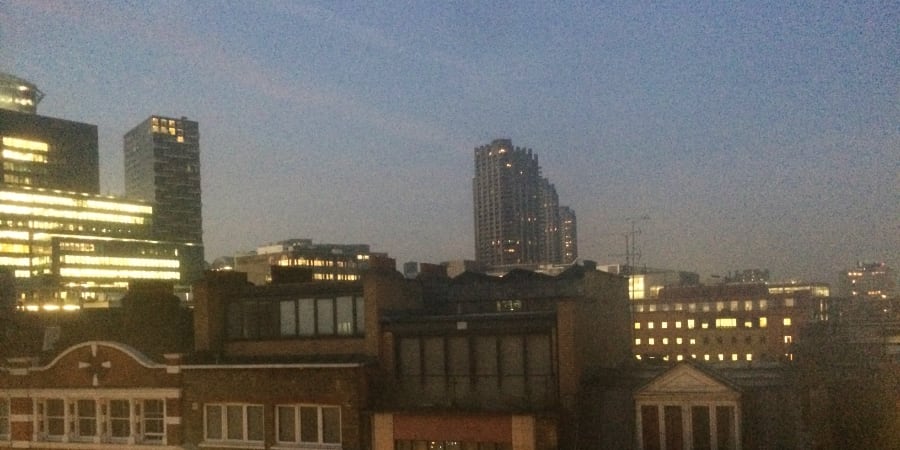
Robert Laing is a newly divorced medical academic moving in to high-rise block in London. He’s hoping for a life of comfortable anonymity. We also meet Richard Wilder, a television documentary-maker on the second floor, and Anthony Royal, the building’s architect, in the penthouse. The high-rise is portrayed as a mixture of designed technology and living organism—a social experiment designed by Royal and embraced by the residents.
Laing is a social chameleon who wants to make a safe place for himself in the building, whereas Wilder wants to conquer it and confront its maker. Each man tries to make the building serve them in their own ways, but it’s the women who ultimately make the place their own.
If the high-rise is a living thing, Ballard is its ultimate creator, and I like the idea of Laing, Wilder and Royal being different aspects of Ballard’s creative personality. The prose mixes an omniscient point-of-view with that of each character as Ballard moves between them. The omniscience could also be that of the building itself. It’s a little irritating how characters reveal chunks of backstory in their thoughts, but the descriptions are brilliant and unnerving, and Ballard finds endless ways to show the collapse and degradation of the initially modern and comfortable environment.
I was nervous about watching the film—I didn’t want to subject myself to two hours of disgust and misery. The film is quite different though. It’s directed by Ben Wheatley and adapted by his long-term screenwriting and editing partner Amy Jump who makes the main protagonist Laing. Wilder and Royal are still important, Laing is given far more agency. The film honours the book in how it portrays the dying building, but differnt chaacters come to the fore. It’s an impressive feat.
December 08 2017, 21:14
It Follows (2014)
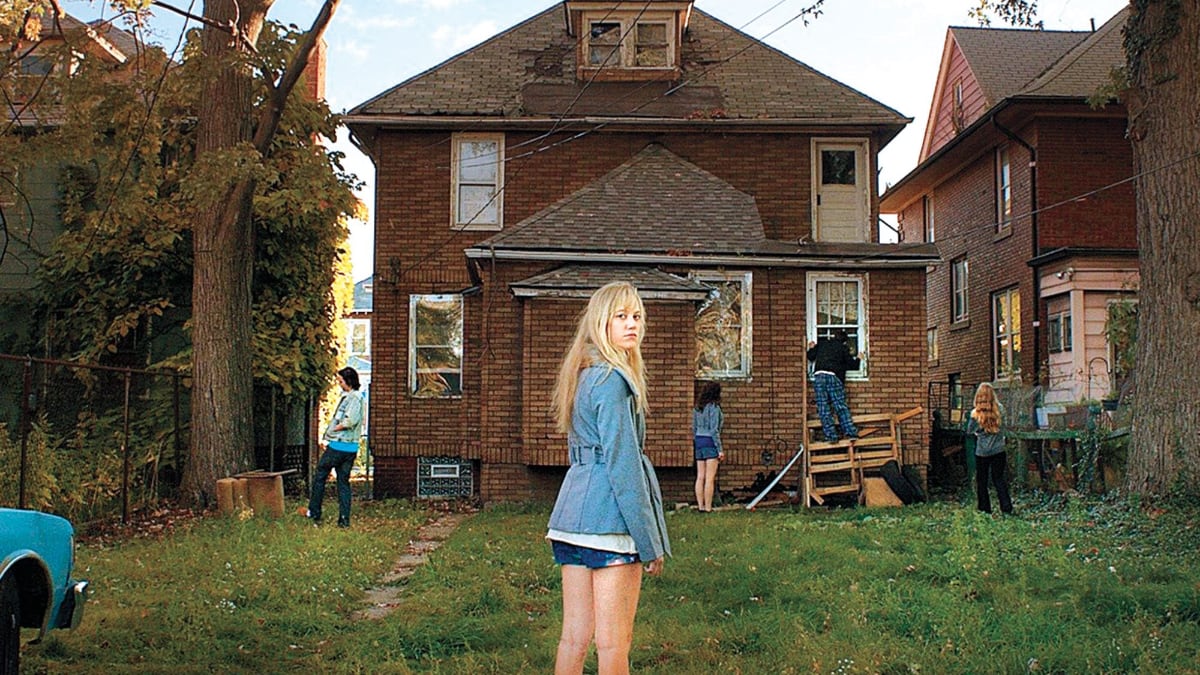
I avoided watching It Follows because the idea was unsettling. It’s a genius concept embedded in a homage to John Carpenter and Halloween. The characters are all on the cusp of adulthood with their parents barely around. Jay has sex with her new boyfriend and finds out he has passed on to her a curse that she can only get rid of by having sex with someone else. The cursed person is chased by slow shape-shifting dead people, visible only to them, moving methodically at walking pace. They are all ages, shapes and sizes, but always dead and gross.
The cinematography is wonderful—slow tracking shots, wide-angle views of suburban Detroit, open spaces drawing the eye of the viewer to look for the next zombie. Even the soundtrack is touched by John Carpenter, with the synth score serving the mood perfectly.
Who knew a single slow zombie could be so scary?
Latest | Newer posts > Latest >>